Dementia has long been viewed as an unavoidable consequence of aging, a diagnosis that signals a slow decline with no real path back. For Dr. Clint Steele, a brain and nervous system specialist with three decades of clinical experience, that belief is the biggest obstacle standing between patients and better brain health. His career has centered on improving brain function through researched lifestyle interventions, but it was a combination of personal loss and unexpected clinical breakthroughs that pushed him toward an even greater mission: proving that lifestyle based approaches can protect the brain, restore memory, and in many cases help reverse dementia symptoms.
The turning point began in 2014 with the decline of his grandmother. Dr. Steele recalls visiting her at a nursing facility where staff showed her simple flashcards that she could no longer recognize. She rarely knew who he was. She whispered to him asking to be taken fishing, a request rooted in the life she once had but could no longer access. After she passed, he hoped that researchers would finally find a cure so others would not face the same fate.
Six years later, while running a practice focused on conditions like anxiety, depression, diabetes, high blood pressure, and focus problems, he met an eighty year old patient whose story would reshape his thinking. She came in with several chronic issues, but she also had a recent dementia diagnosis. Her previous physician told her that medication could be offered for everything except dementia and that this part of her health was simply due to age. During her intake she forgot the names of her children and frequently lost track of her thoughts mid sentence. Her husband filled in the gaps each time.
Dr. Steele did not know if lifestyle based care could help dementia itself, but he believed he could support her other reported conditions. She accepted the plan and what happened next surprised everyone involved. Within weeks her anxiety, depression, blood pressure concerns, and neck pain improved. Slowly her personality returned. Three months later her memory began to strengthen. At six months her husband walked into Dr. Steele’s office, gave him a hug, and said thank you for giving me my wife back.
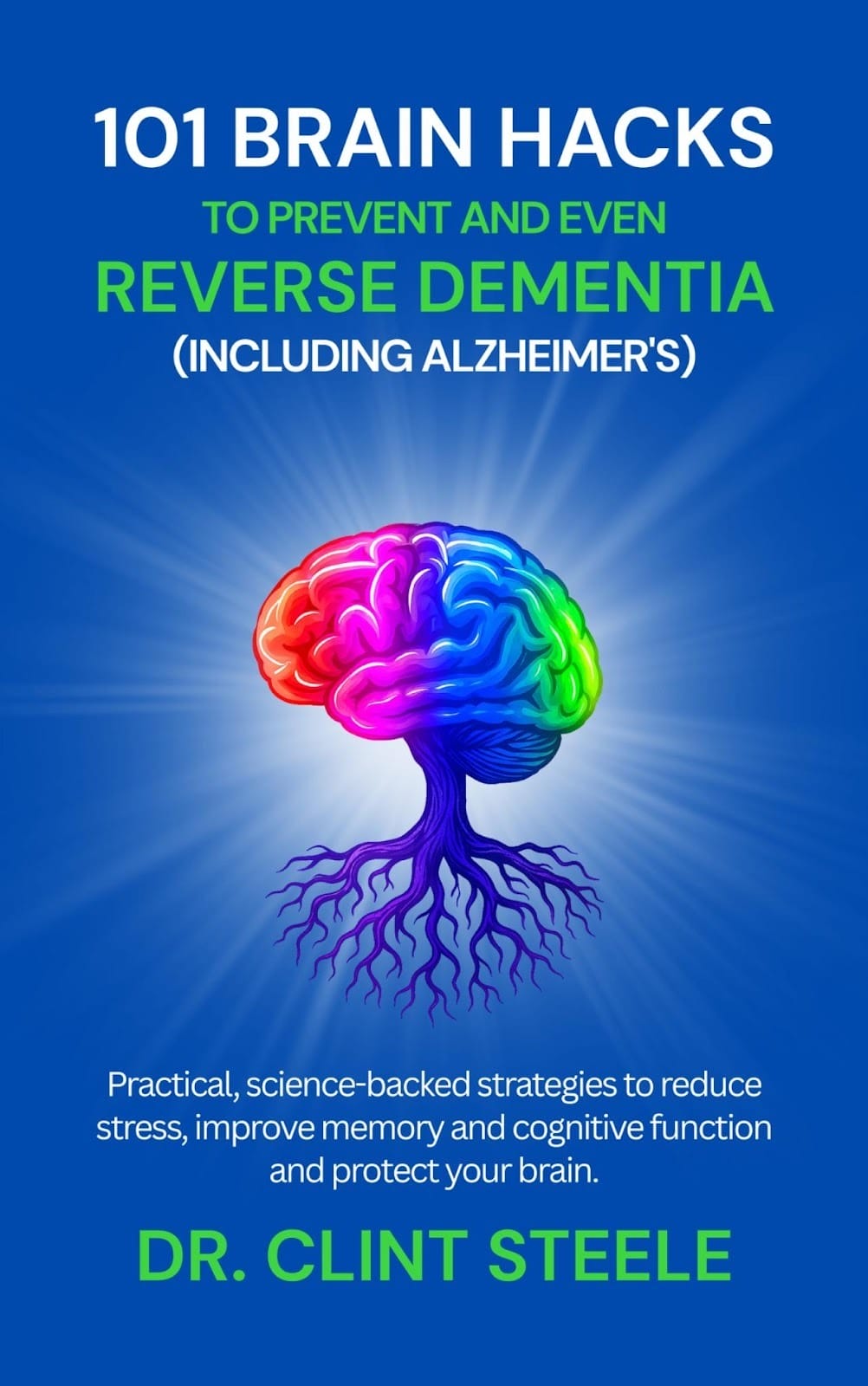
That moment prompted a deep dive into research on neuroplasticity and brain regeneration. As word spread, more individuals facing dementia sought his help. Over time, his clinical experiences lined up with studies showing that lifestyle changes can influence brain inflammation, mitochondrial health, cellular repair, neurogenesis, and cognitive function. In 2025, after beginning to share practical brain improvement strategies on social media, Dr. Steele watched his following grow from a few thousand people to more than two million. Requests for a guidebook poured in, leading to the creation of his new bestseller available at preventdementiabook.com.
The book is built around simple brain hacks that are each supported by published research. Every chapter includes why the strategy works, the studies behind it, and step by step actions readers can begin immediately. Many of the most impactful changes are free and require only consistency. Dr. Steele also outlines what he describes as three major misconceptions the public is repeatedly told about dementia, and he provides evidence that challenges each one. He highlights three recent studies, including work out of Harvard, that support the idea that dementia symptoms can improve.
His clinical stories reinforce these concepts. One forty five year old man diagnosed with frontotemporal dementia was forced to rely on state assistance and struggled to communicate. Within weeks of beginning brain based lifestyle interventions he noticed improvements. Four months later he returned to work and reclaimed most of his memory. He is now traveling and rebuilding his life. Another case involved a fifty year old woman who had recently sold her business and moved to Florida to retire. She experienced difficulty with communication to the point that she initially had to text Dr. Steele during visits. In less than six months she regained her memory and now communicates clearly.
Dr. Steele sees dementia prevention as a new but urgently needed field. He emphasizes that individuals with a family history of dementia, past brain injuries, early signs of degeneration, sleep disturbances, anxiety, depression, blood pressure issues, and even long term sugar, alcohol, or drug use can benefit from evidence supporting lifestyle approaches aimed at protecting the brain. His goal is to help people recognize that memory issues, brain fog, and cognitive decline are not inevitable but signals that the brain needs support.
Looking ahead, Dr. Steele plans to write additional books and expand The Better Brain Company, which offers supplements and essential oil inhalers designed to support brain health. His broader vision is to empower people with accessible tools that improve memory, focus, and overall neurological resilience.
As awareness grows and research continues to evolve, Dr. Steele believes the message is clear. Dementia is not solely a genetic or age driven condition. Lifestyle plays a significant role in shaping brain outcomes. With consistency, education, and evidence based guidance, people can take steps that protect the brain, promote regeneration, and improve quality of life.
For more information or to follow Dr. Steele’s educational content, visit his link hub at drclint.net.

Meet Abby, a passionate health product reviewer with years of experience in the field. Abby's love for health and wellness started at a young age, and she has made it her life mission to find the best products to help people achieve optimal health. She has a Bachelor's degree in Nutrition and Dietetics and has worked in various health institutions as a Nutritionist.
Her expertise in the field has made her a trusted voice in the health community. She regularly writes product reviews and provides nutrition tips, and advice that helps her followers make informed decisions about their health. In her free time, Abby enjoys exploring new hiking trails and trying new recipes in her kitchen to support her healthy lifestyle.
Please note: This article is for informational purposes only and does not constitute medical, legal, or financial advice. Always consult a qualified professional before making any decisions based on this content. See our full disclaimer for more information.