As home-based care organizations take on higher-acuity patients and face persistent staffing shortages, one question could shape the future of safety: how do we keep seniors safe at home with fewer in-person touchpoints?
Technology is one part of the answer. Remote monitoring tools, fall-detection devices, and wellness platforms now offer continuous visibility into a patient’s health and activity. But visibility isn’t the same as understanding. The ability to interpret and act on information is what turns data into prevention. And that ability still depends on people.
Bridging the Gap Between Data and Decisions
Home-based care has long relied on in-person visits to detect subtle changes in a patient’s condition. Now, devices can surface those signals earlier. Wearables that track movement, sleep, and vital signs can identify early warning signs like dehydration, instability, or fatigue; often days before a fall or hospitalization.
Yet data alone can’t prevent harm. Someone must interpret what it means and communicate next steps in clear, actionable ways. When families misread notifications or staff lack time to analyze trends, opportunities for early intervention are lost.
That’s why a growing number of providers are pairing technology with human guidance—adding coaching, care navigation, and communication support to bridge the gap between information and insight.
The Rise of Human-Guided Safety Models
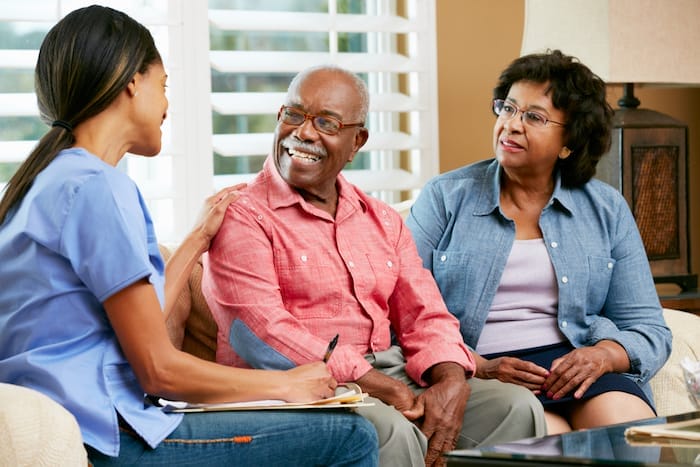
Several home-based care organizations are piloting service models that pair remote monitoring with dedicated wellness coaches. These coaches act as a human conduit between the technology, the care team, and the family.
Their role goes beyond triaging alerts. They help older adults understand what their devices are tracking, explain changes in plain language, and provide encouragement around nutrition, fitness, and self-care. They also track behavioral and emotional wellbeing—factors increasingly recognized as tied to fall risk and overall health.
When these coaches identify potential red flags, they share contextual insights with the home health team or family caregivers, allowing early adjustments to care plans. Families receive updates that are informative but not alarming, which builds trust and keeps them engaged with their loved ones.
A 2024 academic review found that remote patient monitoring (RPM) interventions had meaningfully positive outcomes in patient safety and adherence. The same study also found a clear downward trend in the risks of cost-related outcomes like hospital admission and number of outpatient visits. There is significant promise for both efficacy and impact.
This approach reflects a shift underway across the industry: moving from reactive care to proactive wellness, powered by data but delivered through people.
Health Literacy as a Business Imperative
Health literacy, defined as the ability to understand and act on health information, has become an operational issue for home-based care. As agencies adopt new technologies, the question isn’t just whether the tools work, but whether everyone involved can make sense of them.
For seniors, that means simple interfaces, plain language, and devices that feel intuitive. For staff, it means streamlined dashboards that surface only relevant insights. For families, it means clear explanations of what alerts mean and when to take action.
When those elements align, data becomes usable, and safety becomes scalable. Providers who design with health literacy in mind see higher engagement, fewer unnecessary interventions, and stronger satisfaction from both patients and families.
The New Standard of Safety
The next standard of safety in home health will be defined by continuous visibility, clear communication, and compassionate human connection. That combination not only improves outcomes but also strengthens agencies’ competitive positioning under value-based care models, where preventing hospitalizations and supporting independence directly affect reimbursement.
As more payers explore home-based alternatives to institutional care, this hybrid model—technology supported by people—may become the differentiator. It aligns with payer priorities, relieves pressure on clinical staff, and gives families confidence that their loved ones are seen and supported between visits.
Technology can detect a problem. But it still takes a person to explain it, respond to it, and, more often than not, prevent it.
Gary Guiser
Gary Guiser is the CEO of ClearWellness, a senior care service that helps seniors enjoy independent living longer.