Healthcare facilities face unique challenges when safeguarding patients, staff, and sensitive information. High foot traffic, shared spaces, and evolving technology increase exposure to threats. Address persistent security risks in medical settings with strategies that prioritize physical security, data protection, and compliance. This blog explores measures healthcare administrators can implement to create safer environments without disrupting operations.
Strengthening Physical Access Control
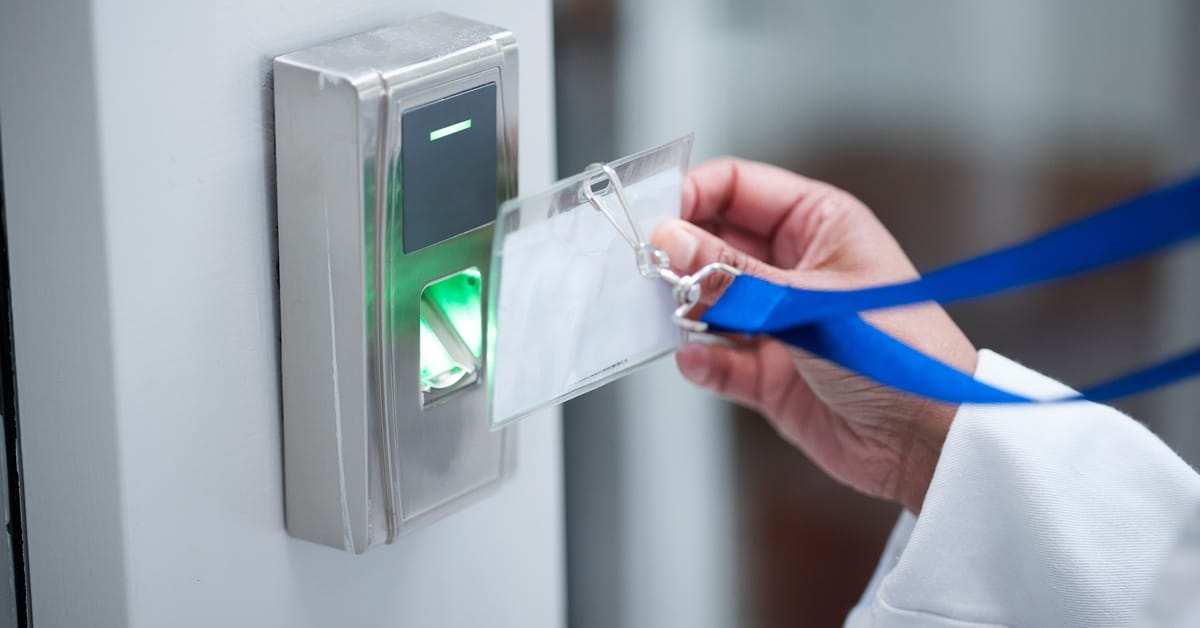
Access control is a critical foundation for security in medical facilities. Implement smart systems that regulate who enters sensitive areas like pharmacies, data centers, and patient wards. Replacing older access systems can help mitigate vulnerabilities. Facilities with aging systems, for instance, should upgrade compatible 125 kHz infrastructure with encrypted proximity credentials to ensure protection against cloning and unauthorized entries.
Staff training complements robust systems by reinforcing key protocols. Employees who are aware of security best practices are better equipped to prevent breaches. Thorough onboarding and regular security drills improve accountability and adherence to access policies.
Protecting Patient Data and Technology Systems
Data is the backbone of modern healthcare operations. Securing health records and connected devices requires proactive measures against both internal and external threats. Regular audits of IT systems can uncover vulnerabilities in networks and software. Encryption and multi-factor authentication provide extra layers of defense against unauthorized access.
Healthcare organizations may also benefit from isolating medical devices on secure networks. Segregating these devices prevents malicious actors from exploiting them as entry points into broader systems, thus reducing risk to sensitive information and operations.
Reducing Risks Through Compliance and Monitoring
Meeting regulatory standards such as HIPAA not only ensures compliance but also offers clear frameworks for improving security. Adopting these guidelines minimizes risks associated with breaches and maintains trust among patients and staff.
Continuous monitoring further strengthens security systems. Surveillance tools that analyze real-time data enable administrators to identify and respond to suspicious activity, preventing potential escalations.
Building Safer Healthcare Environments
Medical settings must remain a sanctuary for healing while offering robust protection for patients and staff. By investing in modern systems, training employees, and maintaining compliance, administrators can address persistent security risks in medical settings effectively. Transforming vulnerabilities into strengths requires foresight, commitment, and regular evaluations. Building safer spaces today secures the trust and safety of tomorrow.