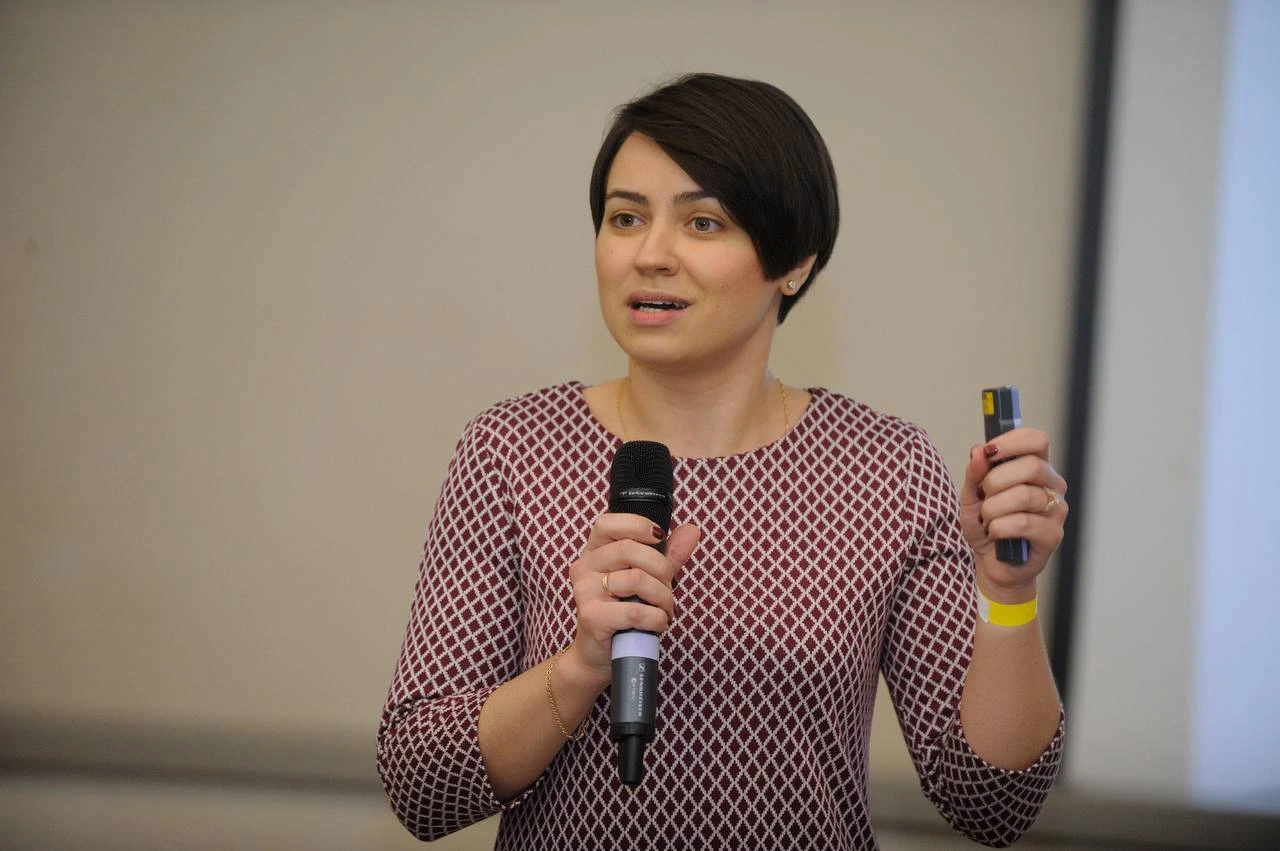
Kateryna Davydenko, a Ukrainian obstetrician, gynecologist, endocrinologist, and clinical immunologist, illustrates how the hormonal transition that every woman eventually faces can be treated through a systemic approach to care
Women today are living longer than ever before. According to the World Health Organization, women now make up a growing share of the older adult population, with a 60-year-old woman expected to live another two decades on average. Yet these additional years do not automatically translate to sustained health; menopause marks a critical period where metabolic, cardiovascular, and musculoskeletal risks begin to consolidate. A significant share of these risks begins to accumulate during the menopausal transition—often silently and long before a formal diagnosis is made.
Despite advances in clinical research, menopause is still frequently approached as a narrow gynecological issue, managed reactively and symptom by symptom. Hormonal therapy, meanwhile, remains underused, delayed, or avoided altogether due to lingering fears that no longer reflect current evidence. As healthcare systems increasingly shift toward prevention and longevity medicine, this gap between knowledge and practice has become one of the central challenges in women’s health.
However, Kateryna Davydenko is already working within a different framework. It treats hormonal change as a systemic, manageable transition rather than an inevitable decline. She is an MD, PhD, the founder and lead clinician of the UNICO gynecological clinic in Kyiv, where she has maintained an active clinical practice since 2020, working directly with patients daily. With a background spanning clinical practice, research, and medical education, she consistently addresses the role of evidence-based hormonal therapy in women’s health at professional forums and in peer-reviewed literature. She has presented her clinical and research findings at major European obstetrics and gynecology congresses. Her work is also reflected in national and international peer-reviewed medical journals, where hormonal, metabolic, and immunological mechanisms in women’s health are examined in a clinical context.
For decades, menopausal care focused primarily on vasomotor symptoms and reproductive health. However, hormonal decline affects far more than ovarian function alone. According to the research, estrogen deficiency alters lipid metabolism, insulin sensitivity, vascular elasticity, bone remodeling, and neurochemical balance. These changes accumulate gradually, often years before women seek medical help.
“In everyday practice, these processes rarely announce themselves clearly,” Davydenko explains. “Women come with complaints that seem unrelated, like weight gain, rising blood pressure, sleep problems, mood changes, recurring inflammation. When each issue is treated separately, the effect is usually temporary, because the underlying cause remains unaddressed.”
Alongside her clinical work, Davydenko has published peer-reviewed studies between 2022 and 2023 examining immune and inflammatory dysregulation in women. These studies appeared in national, peer-reviewed medical journals, such as the Biology, Modern Pediatrics. Ukraine, and the Zaporizhzhia Medical Journal. This research provides a scientific framework that supports patterns repeatedly observed in long-term clinical practice. Her findings have also been presented in the European Journal of Obstetrics and Gynecology and Reproductive Biology internationally.
This alignment between research and practice has shaped her emphasis on early, comprehensive assessment, combining hormonal evaluation with metabolic and inflammatory markers, rather than reacting to isolated symptoms after disease processes are already established.
The practical implications of this model become especially clear in cases where fragmented care has failed. One such example from Davydenko’s practice involved a 48-year-old woman who sought help after several years of treatment across multiple medical specialties. During that time, she had consulted orthopedists, cardiologists, urologists, endocrinologists, psychiatrists, and cosmetologists with a broad range of complaints, including severe spinal and joint pain, increasing blood pressure, urinary incontinence, progressive weight gain, pronounced emotional instability with depressive symptoms, sleep disturbances, skin dryness, hair loss, and a noticeable deterioration in overall appearance.
As Davydenko recalls, “She was extremely disciplined and followed every recommendation she received. But the improvements were always minimal and short-lived. By the time she came to see me, she was barely leaving the house, and her emotional state was already severely affected.”
From a clinical standpoint, the case illustrated a self-reinforcing loop: age-related hormonal decline led to physical changes that undermined psychological resilience, while depressive states intensified somatic symptoms. Rather than addressing individual complaints, the treatment strategy focused on multiple mechanisms simultaneously.
Comprehensive hormonal and metabolic assessment led to a diagnosis of metabolic syndrome, grade II obesity, and a severe form of climacteric syndrome with predominant involvement of the musculoskeletal system and mental health. Following World Health Organization recommendations, Kateryna began treatment with metabolic correction, as obesity represented a central driver of comorbidity. The patient was started on evidence-based metabolic therapy using a modern, well-tolerated medication available at the time, alongside an individualized menopausal hormone therapy regimen selected according to age and co-existing conditions.
As the underlying causes were addressed, improvement became apparent relatively quickly. Over the following months, the patient experienced sustained weight loss, normalization of blood pressure, resolution of urinary symptoms, and a marked reduction in musculoskeletal pain. Her physical mobility and external appearance improved, and under psychiatric supervision, previously prescribed antidepressants were gradually discontinued.
By the six-month follow-up, under continuous medical supervision, with regular monitoring and treatment adjustments, the patient had lost 29 kilograms. Moreover, she regained functional independence and reported a significant improvement in overall quality of life. Under psychiatric supervision, antidepressant therapy was discontinued. She later described her life in terms of “before” and “after” treatment.
Despite this growing body of evidence, menopausal hormone therapy remains underused. “Many women reach hormone therapy only after years of unmanaged symptoms,” the expert notes. “At the same time, some clinicians still rely on outdated risk narratives, without differentiating older protocols from what evidence-based medicine supports today.”
Bridging this gap has become a significant part of her professional work. For more than a decade, alongside clinical practice, she has delivered educational programs for physicians and healthcare professionals, focusing on the physiology of hormonal transitions and the long-term consequences of untreated deficiency. In her experience, this educational step often marks the moment when caution rooted in fear gives way to informed clinical decisions.
In parallel, she advances this evidence-based framework at the professional level through major European medical forums. Davydenko has participated in the European Board and College of Obstetrics and Gynaecology (EBCOG) congresses (one of the largest and most authoritative platforms in European women’s health), held in Paris and other European capitals. At the 2021 EBCOG Congress in Athens, she presented a scientific report based on her PhD research, focusing on immune and inflammatory mechanisms associated with chronic hormonal deficiency and their clinical implications for about 30,000 listeners..
This perspective reframes menopausal care. The objective is no longer limited to relieving hot flashes or sleep disturbances, but to preserving cardiovascular health, musculoskeletal integrity, cognitive stability, and metabolic balance over time. Hormonal therapy becomes one element of a broader preventive strategy that includes weight management, insulin resistance correction, and cardiovascular risk reduction.
“I don’t see medical anti-aging as an attempt to reverse time. The goal is to restore physiological balance so people can stay active, resilient, and engaged in their lives”, the specialist says.
As populations age and healthcare systems face rising chronic disease burdens, menopause can no longer be treated as a secondary concern. It represents a critical intervention point, where informed, proactive care can reshape decades of health outcomes. Kateryna Davydenko, who is already working within this paradigm, argues that gynecology is evolving away from episodic treatment and toward integrated longevity care. The greatest risk, as current evidence increasingly suggests, lies not in appropriate hormonal therapy, but in postponing or avoiding it altogether.

Meet Abby, a passionate health product reviewer with years of experience in the field. Abby's love for health and wellness started at a young age, and she has made it her life mission to find the best products to help people achieve optimal health. She has a Bachelor's degree in Nutrition and Dietetics and has worked in various health institutions as a Nutritionist.
Her expertise in the field has made her a trusted voice in the health community. She regularly writes product reviews and provides nutrition tips, and advice that helps her followers make informed decisions about their health. In her free time, Abby enjoys exploring new hiking trails and trying new recipes in her kitchen to support her healthy lifestyle.
Please note: This article is for informational purposes only and does not constitute medical, legal, or financial advice. Always consult a qualified professional before making any decisions based on this content. See our full disclaimer for more information.