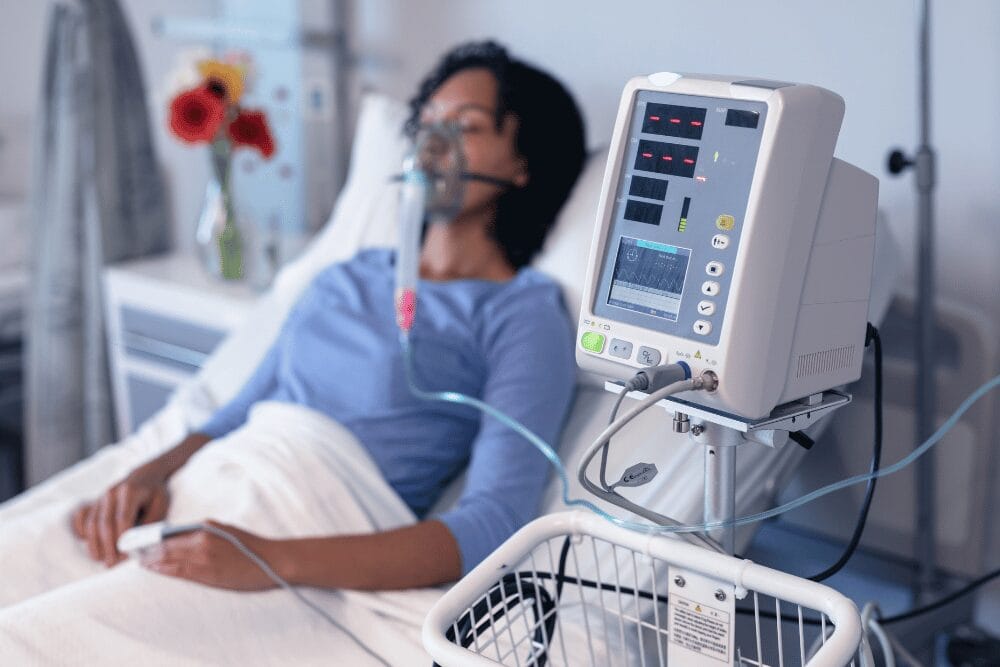
For many patients who survive the initial illness that brings them to the ICU, the hardest part isn’t over once the patient is stabilized. Patients who remain dependent on prolonged mechanical ventilation (PMV) often face a quieter, more complex challenge throughout their recovery – anxiety.
In critical care, anxiety is a physiological response that can directly interfere with breathing patterns, muscle coordination, and the body’s ability to wean from a ventilator. For this fragile patient population where anxiety is more than an emotional state, recovery requires treating both the lungs and the mind.
The Hidden Roots of ICU Anxiety
While the ICU is a place of healing, it can also serve as a breeding ground for fear. Continuous noise, bright lights, frequent interruptions, and unfamiliar surroundings disrupt sleep and heighten stress of patients. In addition, prolonged exposure to sedating or paralyzing medications can alter patient perception and memory. Even necessary interventions, including feeding tubes, IVs, and catheters can leave patients feeling powerless, confused, or even disoriented.
These factors combine to create a psychological storm that continues long after the original health crisis has passed. In fact, studies show that nearly 40% of ICU patients experience delusional memories, with more than a quarter later developing PTSD-like symptoms. Those experiences often shape how patients approach ventilator weaning and recovery.
When Fear and Function Collide
For many, anxiety manifests physically with symptoms that can include rapid breathing, muscle tension, and increased heart rate – all of which directly conflict with the goals of ventilator liberation. For patients relearning how to breathe independently from the ventilator, anxiety can feel indistinguishable from respiratory distress.
This overlap creates a frustrating cycle for the patient care team with anxiety triggering shortness of breath, which then leads to more anxiety, which ultimately slows the recovery process. In response, sedating medications may be used to calm patients. However, these medications can unintentionally prolong dependence and delay the rehabilitation progress.
Why Traditional Care Models Fall Short
In traditional ICU models, these patients often move through multiple units and providers, each focused on stabilizing symptoms rather than addressing the underlying psychological impact of prolonged ventilation. This results in fragmented care and inconsistent emotional support.
Within ventilator liberation units led by TriVent Healthcare, patient outcomes tell a different story where addressing anxiety becomes a catalyst for recovery. Patients struggling to wean in traditional settings often turn a corner once placed in dedicated ventilator liberation units, where multidisciplinary care teams provide both clinical precision and relational consistency.
These units bring together respiratory therapists, nurses, and rehabilitation specialists who not only manage the medical side of care but also rebuild patients’ confidence and sense of control. As one respiratory therapist put it, “Sometimes it’s not that patients can’t breathe on their own – it’s that they don’t believe they can.”
Relational Care in Action
In our healthcare units, care teams are trained to recognize the emotional milestones that accompany physical ones. When a patient’s anxiety causes progress to plateau, clinicians respond not just with new protocols, but with patience, presence, and purpose.
One memorable case involved a patient who had lost all motivation to continue the ventilator liberation process. Working closely with the patient’s family, our care team reintroduced mobility goals and incorporated small personal motivators – even arranging for a visit from the patient’s dogs. Weeks later, that patient was off the ventilator and on the path home.
This kind of care where blending evidence-based protocols with emotional support is more than compassion – it’s a clinical necessity. We have found that recognizing and treating anxiety in patients early leads to shorter weaning periods, fewer psychiatric complications, and better long-term outcomes.
Treating Anxiety as a Clinical Priority
For hospital ICUs and various critical care units, anxiety must be addressed with the same consideration as oxygenation or nutrition. Ignoring its role in recovery means prolonging dependence and increasing readmissions.
Our approach combining psychological awareness with structured, multidisciplinary care is proof that treating a patient’s physical and psychological symptoms is integral for recovery.
Prolonged mechanical ventilation saves lives, but true recovery requires restoring both breath and belief.

Jimmy Stout
Jimmy Stout is a nurse with over 20 years of hospital experience. Previously, he led clinical operations at TriVent Healthcare’s UAB Special Care Unit in Birmingham, AL. He now furthers the TriVent Healthcare mission to change the paradigm for patients suffering from prolonged mechanical ventilation.