A sharp rise in pediatric dental emergencies is signaling systemic gaps in preventive care across modern healthcare systems. While recent reporting by CBS News highlights a surge in emergency room visits for non-traumatic dental conditions in the United States, with some hospitals seeing increases of up to 60%, similar patterns are emerging worldwide. Together, these trends point to systemic gaps in how preventive dental care is delivered, accessed, and sustained at scale.
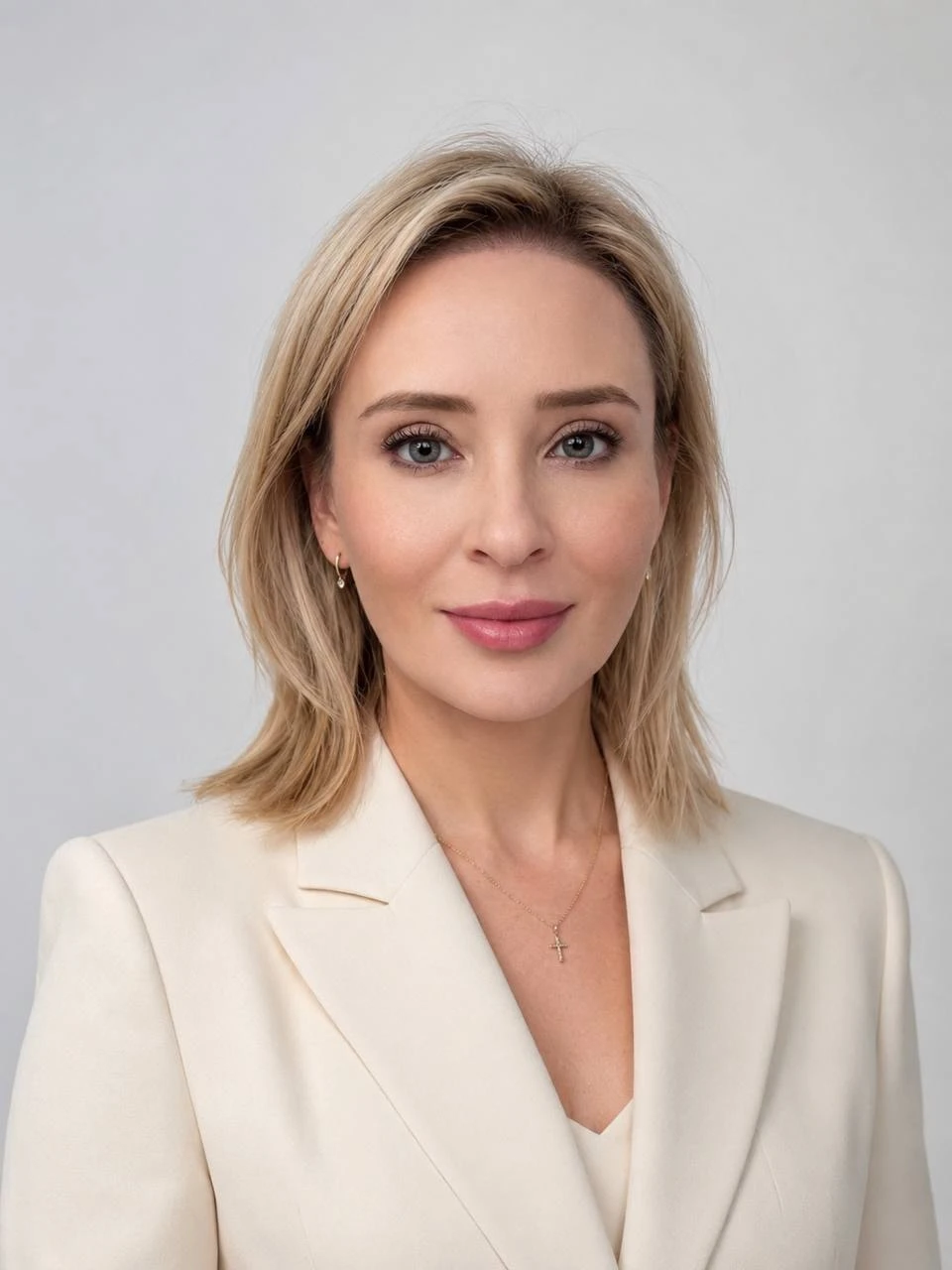
To better understand the roots of this issue from a cross-system perspective, we turned to Sofya Katenova, an esteemed dentist with extensive clinical experience across adult and pediatric care. Sofya’s colleagues highly value her medical expertise and frequently invite her to evaluate complex dental cases in the United States and Russia. Having worked in leading clinics in Eastern Europe and post-Soviet healthcare systems, she brings a rare cross-cultural perspective into how preventive care is delivered in practice, where it breaks down, and what it takes to build more effective care pathways at scale.
Where the System Breaks
The rise in pediatric dental emergencies reflects structural gaps in the delivery of preventive care. Early-stage conditions remain undertracked, leaving prevention dependent on patient initiative and weakening continuity of care.
This dynamic becomes particularly visible in established, multi-specialty clinics. During Sofya’s tenure at STOMA Clinic, one of the longest-standing private dental centers in St. Petersburg, operating since 1992 and consistently ranked among the top clinics, she delivered comprehensive care across adult and pediatric cases. Her work centered on full-cycle patient management, where early and precise diagnosis shaped the entire course of treatment. By identifying conditions early and aligning care with preventive strategies, she consistently reduced the risk of complications, reduced the need for complex interventions, and improved treatment outcomes for patients across the organization.
Sofya explains: “In practice, most of these cases don’t start as emergencies. They begin with small, manageable issues that gradually worsen when patients don’t return for follow-up. By the time they reach urgent care, the treatment becomes far more complex than it needed to be.”
At the system level, Katenova’s experience reflects a shift from structured prevention to reactive care delivery, in which missed early interventions lead to avoidable clinical escalation.
“A single emergency case can disrupt an entire day’s schedule.”
For healthcare operators, the rise in emergency dental cases signals inefficiencies in care delivery and patient management. Late-stage cases require more resources, while in pediatric dentistry, they also shape long-term patient behavior and retention.
As Sofya Katenova recalls, “I’ve seen how a single emergency case can disrupt an entire day’s schedule. Patients who came in for planned treatment get postponed, and the team has to quickly reorganize everything around one urgent situation.”
At INTAN, one of the largest dental networks in St. Petersburg, with approximately 30 clinics and over 250 practitioners, Sofya focused on pediatric care within a high-volume system. Her work focused on pediatric patients presenting with a wide range of dental pathologies, each requiring individualized treatment planning based on radiographic diagnostics and clinical assessment. Within this high-throughput environment, she combined treatment with preventive protocols and patient education, ensuring that children and their families understood and followed long-term care plans. This approach strengthened patient adherence, improved continuity of care, and enabled earlier intervention across the network, supporting more predictable outcomes and reducing the progression of conditions into more advanced stages.
Thus, in high-volume systems, the growing number of emergency dental cases creates a clear operational priority. As Sofya Katenova’s clinical experience shows, strengthening early-stage care and patient follow-up is essential to maintaining stable workflows, optimizing resource use, and sustaining long-term patient relationships.
“Consistency in clinical judgment determines whether a case stays manageable.”
Addressing the rising volume of emergency cases requires a more structured, prevention-focused approach to care delivery, with follow-up and accountability embedded into the care pathway. At the same time, its effectiveness depends on the consistency and quality of clinical judgment.
Sofya Katenova knows this firsthand. Alongside her clinical work, she has regularly been invited to review complex cases and support diagnostic decision-making for other practitioners. Sofya regularly provides expert consultation to Smile Dental Studio in California, collaborating directly with Dr. Guy Levi, a well-known and highly respected California Board-Certified General Dentist with more than 30 years of clinical experience. Katenova’s evaluative work also extends to major private clinics in St. Petersburg, including STOMA and INTAN, where colleagues and management turn to her for internal expert guidance. In that capacity, she analyzes clinical images, advises on treatment strategies, consults with younger dentists, and demonstrates her methods for working with patients, particularly pediatric patients.
“In my opinion, consistency in clinical judgment is what ultimately determines whether a case stays manageable or progresses into something more complex. The earlier a condition is correctly assessed, the more options remain available for effective and less invasive treatment,” Katenova adds.
The Role of Patient Engagement in Prevention
However, even the most accurate diagnosis and well-structured treatment plan cannot prevent disease progression without patient engagement in daily care. In her practice, Sofya Katenova emphasizes understanding patients’ daily oral hygiene habits as a core component of preventive care. During initial consultations, she assesses how children brush their teeth, whether independently or under parental supervision, as well as their dietary patterns, including the consumption of sugary snacks and fast carbohydrates.
Sofya says, “In most cases, I can clearly see a child’s daily habits just by looking at their teeth. What really matters is helping them recognize it themselves. Building consistent oral care routines is an important skill, and with children, it becomes a shared process between the child, the parent, and the doctor.”
To support this awareness, Katenova actively uses visual methods. Demonstrating plaque accumulation during examination, and, in some cases, explaining it to children in simple terms as the result of “tiny bugs” feeding on leftover food, helps make the consequences of poor hygiene more tangible and understandable. The use of intraoral cameras further strengthens this approach. Sofya displays magnified images of the tooth surface, allowing children and parents to see the true extent of what may initially appear to be a minor issue. This often changes perception, particularly in cases involving primary teeth, and significantly increases motivation for treatment and improved home care.
Katenova’s preventive guidance focuses on building consistent daily habits, including twice-daily brushing, gradually introducing additional hygiene tools such as floss or single-tuft brushes, and simple dietary adjustments, such as rinsing the mouth after consuming sweets.
“I believe that everything starts with daily habits,” notes Sofya. “Small but consistent actions help reduce plaque accumulation and limit bacterial activity, which is especially important for children, given their enamel’s greater vulnerability. Ultimately, regular home care remains the most effective factor in preventing disease progression and reducing the need for more complex interventions.”
As healthcare systems continue to scale, the shift toward prevention is becoming a clinical and operational necessity. As Sofya Katenova’s experience shows, when early diagnosis, consistent follow-up, patient involvement in daily care, and sound clinical judgment are built into practice, many of these challenges become manageable, opening the way to more stable, patient-centered care.

Meet Abby, a passionate health product reviewer with years of experience in the field. Abby's love for health and wellness started at a young age, and she has made it her life mission to find the best products to help people achieve optimal health. She has a Bachelor's degree in Nutrition and Dietetics and has worked in various health institutions as a Nutritionist.
Her expertise in the field has made her a trusted voice in the health community. She regularly writes product reviews and provides nutrition tips, and advice that helps her followers make informed decisions about their health. In her free time, Abby enjoys exploring new hiking trails and trying new recipes in her kitchen to support her healthy lifestyle.
Please note: This article is for informational purposes only and does not constitute medical, legal, or financial advice. Always consult a qualified professional before making any decisions based on this content. See our full disclaimer for more information.