According to recent market data from Precedence Research, the global medical devices market is projected to expand from $678.88 billion in 2025 towards $1.21 trillion by 2035, with diabetes care devices among the fastest-growing segments. Consequently, evaluating and predicting patient safety throughout a device’s lifecycle becomes a crucial task. However, research shows that a significant part of issues in medical devices stem not from mechanical failures, but from design choices around how users interact with devices, with decisions made during development either supporting or undermining patients’ safety. As a result, developing such devices extends beyond meeting a series of technical specifications: it requires engineers who understand the human dimensions of technology and are able to create solutions that patients and clinicians can trust with human lives.
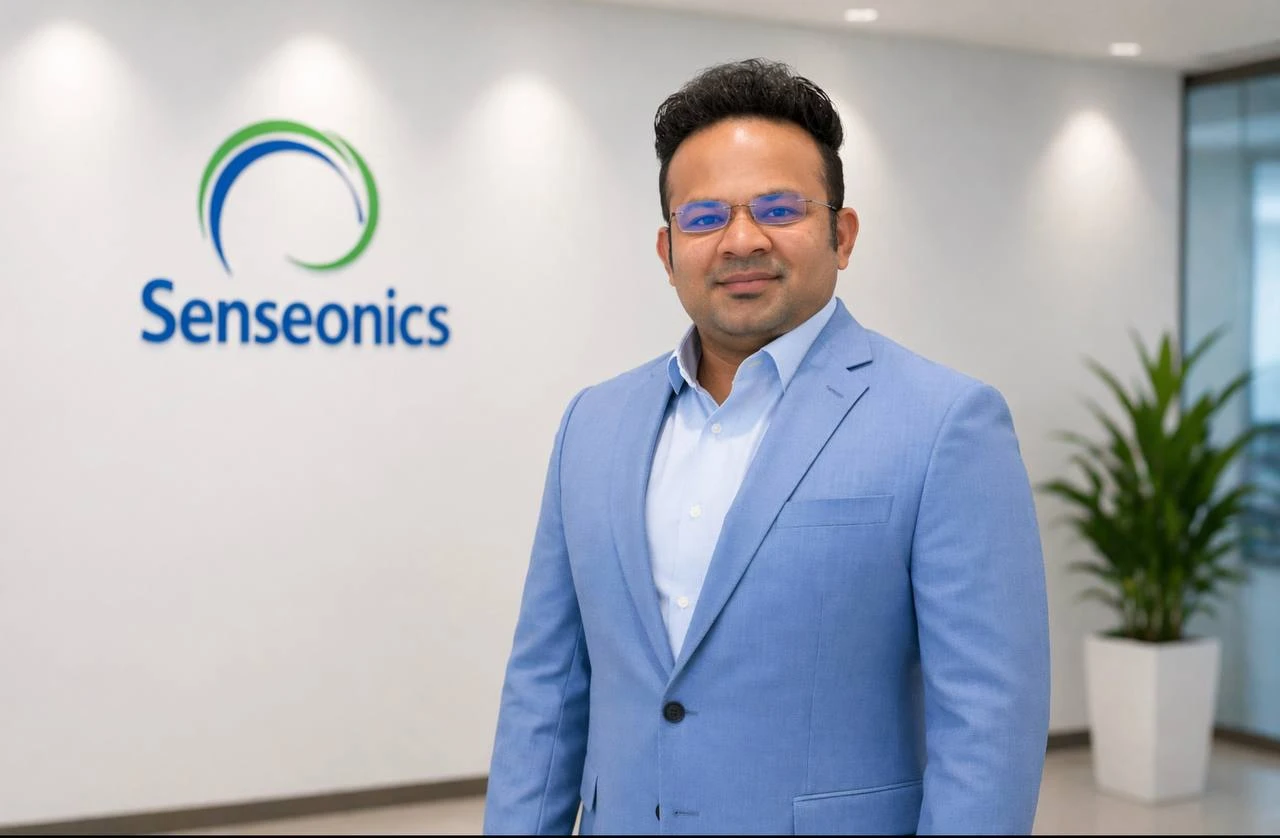
Sandeep Reddy Koppula, Senior Quality Engineer at Senseonics Inc., exemplifies this philosophy through his work on implantable continuous glucose monitoring systems used by diabetic patients worldwide. His personal mission – focused on advancing medical technology whilst ensuring the highest standards of safety, ethics, and regulatory compliance – shapes an engineering approach centred on patients whose health depends on devices functioning reliably. His approach to root cause investigations, corrective action programmes, and reliability frameworks makes it possible to catch failures before they impact patients, raising a question for the broader industry: What does quality engineering actually mean for medical devices that may live in a human body for up to a year? Koppula has spent his career building that answer in practice. A member of IEEE, the world’s largest professional engineering association, a 2025 American Business Expo Product of the Year winner in the HealthTech category, and a judge evaluating technical and clinical work across the field, his experience speaks directly to what rigorous quality engineering looks like from the inside
Preventing Instead of Reacting
This patient-centred focus manifests in proactive investigation rather than reactive problem-solving. For instance, when ageing-related failure patterns and supplier variations are detected early, these issues can be addressed during development, removing the risk of them affecting devices after they reach patients. The most consequential decisions in implantable device engineering often happen years before the product reaches a patient. At Senseonics, where Koppula leads quality and reliability programmes for the Eversense line of implantable CGM systems – the world’s first long-duration fully implantable CGM platform, approved and commercialized across the US and Europe, and capable of remaining inside the body for up to 365 days compared to traditional sensors that require replacement much often – the ability to detect and identify issues before they affect patients becomes a crucial factor.
“The work isn’t abstract: it’s about identifying what could go wrong for a patient who will be using a device for up to a year,” explains Koppula. “Consequently, each failure mode we identify in the laboratory represents a potential patient safety issue we’ve prevented from ever reaching the field.”
One example is cable and connector reliability. When early-stage testing revealed wear patterns in the components that content to the implanted sensor, Koppula led a targeted reliability programme that traced the failures to specific mechanical stress points, drove design and supplier-level corrections, and established ongoing test protocols that were later embedded in the product lifecycle, The result was a measurable reduction in field failures, which means fewer emergency procedures for patients using the device.
Similarly, another programme addressed battery life extension for the transmitter, enabling the year-long wear duration in the first place. Extending operational life at this scale required a systematic ageing methodology that accounts for the biological environment in which the device operates. The methodology developed by Koppula’s team allowed to achieve this and was then standardised as a reference for subsequent product platforms.
Building Systems that Outlast Individual Contribution
Before joining Senseonics, Koppula played a central role in bringing one of the most significant cardiac devices of the past decade to market. The HeartMate 3 Left Ventricular Assist Device – a Class III, fully magnetically levitated implantable system designed for patients with advanced heart failure – represented a major technological leap in mechanical circulatory support. Koppula led critical quality engineering activities required for its FDA Premarket Approval, including design control processes, risk management documentation, and oversight of verification and validation testing. That experience of translating a high-risk, first-of-its kind implantable system from design concept into an FDA-approved clinical therapy shaped the systems-level thinking he has since applied at Senseonics.
However, translating personal mission into organisational impact requires moving beyond individual technical excellence to building systems that embed patient-first thinking across teams. Koppula approaches this through deliberate knowledge transfer, creating training materials and work instructions for onboarding engineers and quality professionals, developing standardized test protocols and validation templates deployed globally, as well as mentoring professionals who now lead programmes across multiple organisations.
“Patient safety cannot depend on any single person,” Koppula reflects. “When I see engineers I’ve mentored now leading programmes at other organisations, applying these patient-centred methods—that’s when individual expertise translates to industry impact.”
The systematisation and documentation ensure patient-centred decision-making persists beyond any individual engineer’s tenure. Koppula’s documentation frameworks that serve as reference models during FDA and BSI audits demonstrate how individual expertise becomes institutional knowledge. The adoption of his methods by manufacturing and supplier teams demonstrates how promoting a culture of patient-first decision-making across engineering, manufacturing and supplier organisations multiplies impact.
Regulatory Responsibility
Working on Class II and Class III implantable devices – categories demanding the strictest regulatory control – carries distinct responsibilities. As these devices will be inside human bodies for prolonged periods, they must function reliably without the option for easy troubleshooting or replacement. This responsibility shapes every aspect of quality engineering in the industry. As an ISO-certified Lead Quality Auditor, Koppula has led successful FDA and BSI audits with zero critical findings – a result of the rigorous documentation and validation frameworks he has built and maintained across the product lifecycle. He represents the company during regulatory inspections and approves documentation proving devices are safe for patients, bridging technical verification and human trust.
“Regulatory compliance isn’t a goal but a foundation,” he explains. “The actual goal is building systems that patients and clinicians can trust, advancing medical technology whilst maintaining the highest safety standards.”
As healthcare systems worldwide strengthen adverse event monitoring and patient safety frameworks, the engineering work preventing adverse events becomes increasingly critical. The medical devices market’s rapid expansion reflects growing patient populations who will depend on technologies for health management. Behind that growth sits an essential human element: engineers whose daily decisions are guided by understanding that their work determines patients’ quality of life. Koppula’s approach, where personal mission shapes institutional frameworks, where technical excellence serves human wellbeing, where compliance provides the foundation for trust, demonstrates what patient-centred engineering looks like in practice.

Meet Abby, a passionate health product reviewer with years of experience in the field. Abby's love for health and wellness started at a young age, and she has made it her life mission to find the best products to help people achieve optimal health. She has a Bachelor's degree in Nutrition and Dietetics and has worked in various health institutions as a Nutritionist.
Her expertise in the field has made her a trusted voice in the health community. She regularly writes product reviews and provides nutrition tips, and advice that helps her followers make informed decisions about their health. In her free time, Abby enjoys exploring new hiking trails and trying new recipes in her kitchen to support her healthy lifestyle.
Please note: This article is for informational purposes only and does not constitute medical, legal, or financial advice. Always consult a qualified professional before making any decisions based on this content. See our full disclaimer for more information.